Total pancreatectomy with islet autotransplant
Why the pancreas is sometimes removed for chronic pancreatitis, and how the patient’s own islet cells are returned to the liver.
- Length
- 03:51
- Specialty
- Hepatobiliary
- Style
- People and anatomy
- Includes
- Subtitles and transcript
Transcript · 559 words
What the film says
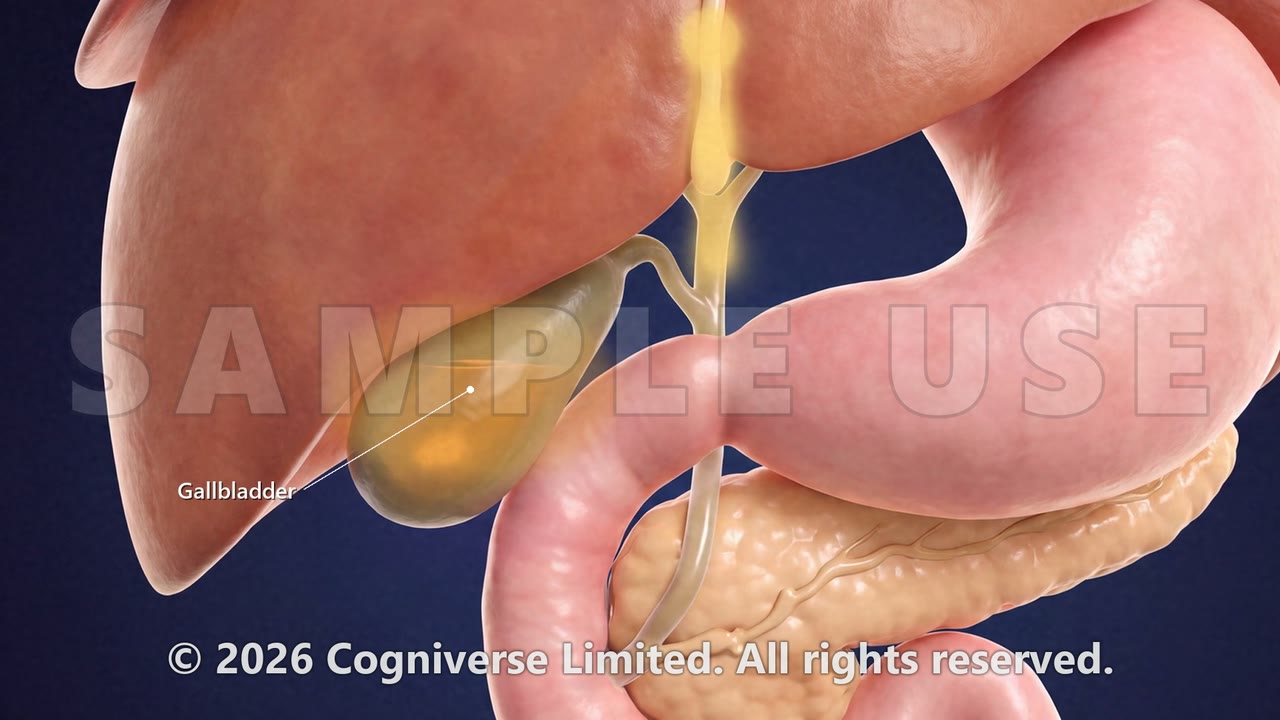
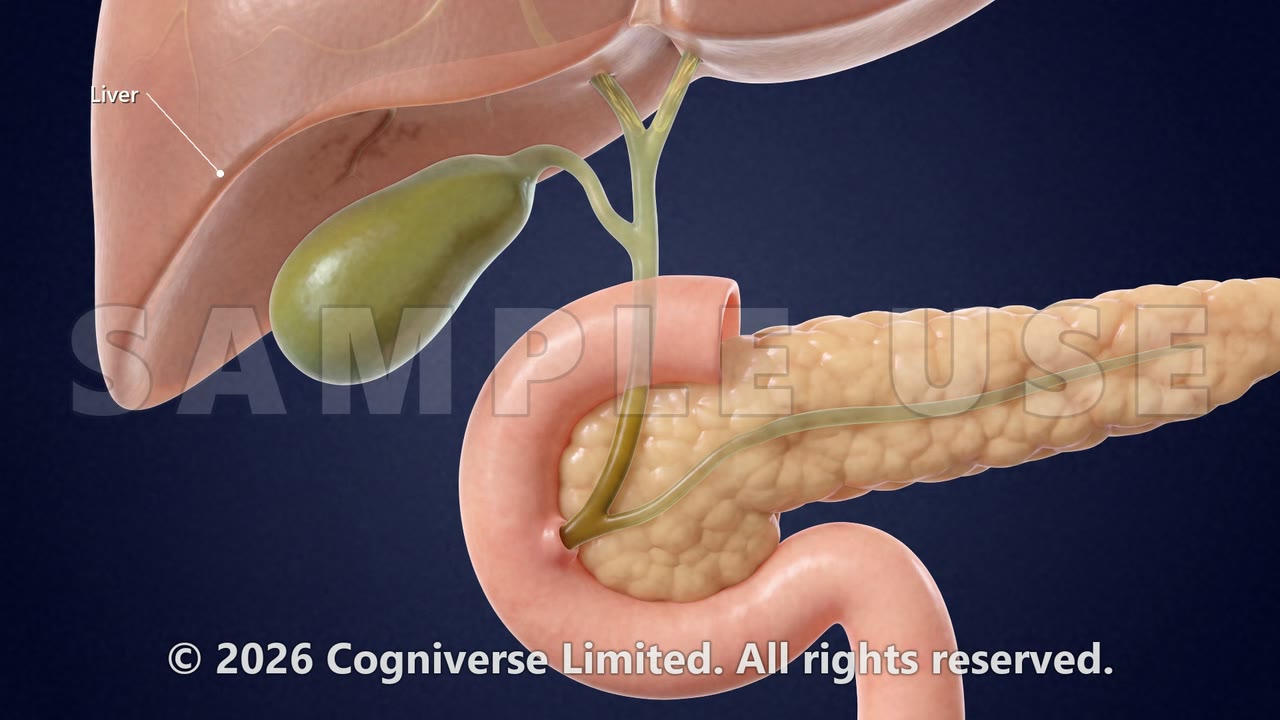
If chronic pancreatitis causes severe pain that other treatments have not controlled, an operation called a total pancreatectomy with islet autotransplant, or TPIAT, may be an option. The main aim is to relieve pain by removing its source: the pancreas. The pancreas lies deep in your upper tummy, behind the stomach, with its head sitting in the curve of the duodenum, the first part of the small intestine.
It makes digestive juices. It also contains tiny clusters of cells called islets, which make insulin to control your blood sugar. In chronic pancreatitis, long-term inflammation scars the pancreas.
For some people, this causes severe, lasting pain. The operation has two stages. In stage one, the pancreas is removed, together with the spleen, the gallbladder and most of the duodenum, and the gut is joined up again.
In stage two, islets taken from your own pancreas are returned to your body, into the liver. This can prevent diabetes, or make it easier to control. You will be asleep under a general anaesthetic.
The surgeon makes a cut in the upper tummy. Part of the large intestine is moved out of the way, and the pancreas, spleen and duodenum are freed from the tissue around them. The gallbladder is removed, and the bile duct, which carries bile from the liver, is divided.
The duodenum is divided just beyond the pylorus, the outlet of the stomach, so the whole stomach is kept. Further along, the small intestine is divided just beyond the end of the duodenum. The blood supply to the pancreas is kept until the last moment, to protect the islets.
Then the arteries and the vein that serve the pancreas and spleen are tied and divided. The pancreas is lifted out, together with the spleen and most of the duodenum. It is cooled and passed straight to the islet laboratory team.
In the laboratory, enzymes and gentle shaking separate the islets from the rest of the pancreas. This takes a few hours. Meanwhile, the surgeon rebuilds the gut.
The small intestine is brought up and joined to the bile duct, so bile can drain. Further along the same piece of intestine, a second join is made to the duodenum just below the stomach, so food can pass through. Food and bile now travel the same path again.
In stage two, your islets are returned. They are infused slowly into the portal vein, the vein that carries blood to the liver. The pressure in the vein is checked throughout, and a blood-thinning medicine helps to prevent clots.
The islets settle in the liver. Over the following weeks and months, they grow a new blood supply and begin to release insulin. Drains, and often a feeding tube, are placed, and the cut is closed.
Afterwards, you will be cared for in a critical care unit. Insulin is given at first, to rest the islets while they settle. Without a pancreas, you will need enzyme capsules with food for life.
Without a spleen, you will need vaccinations and antibiotics to lower the risk of infection. Many people have less pain after this operation. Some need no insulin afterwards, and others need insulin long term.
This is major surgery that cannot be reversed. Your specialist team will explain whether it is right for you. To find out more about TPIAT, talk to your specialist team.
This film is general patient education. It is not medical advice and does not replace a consultation with your own doctor. In an emergency call 999. People shown in the film are AI-generated.