Gallstones and robotic gallbladder removal
What gallstones are, the symptoms that need urgent help, and how the gallbladder is removed through keyhole cuts with robotic assistance, from diagnosis to recovery at home.
- Length
- 03:00
- Specialty
- Hepatobiliary
- Style
- People and anatomy
- Includes
- Subtitles and transcript
Transcript · 494 words
What the film says
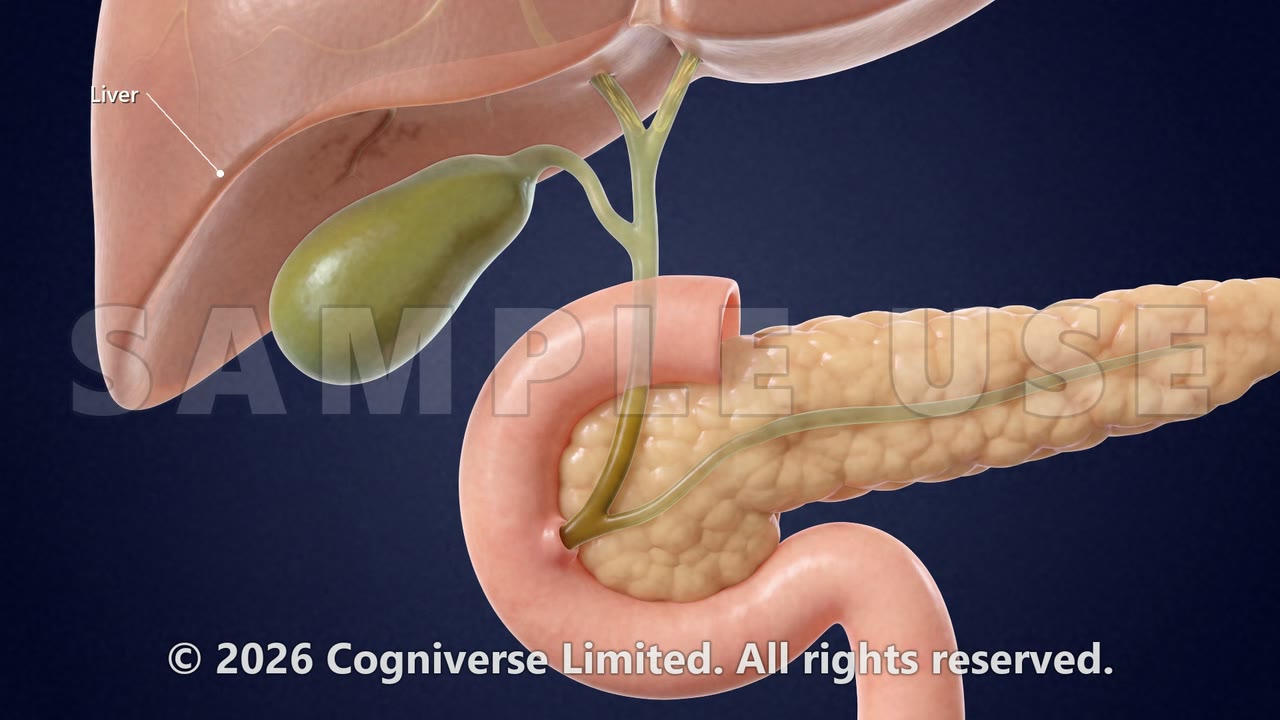
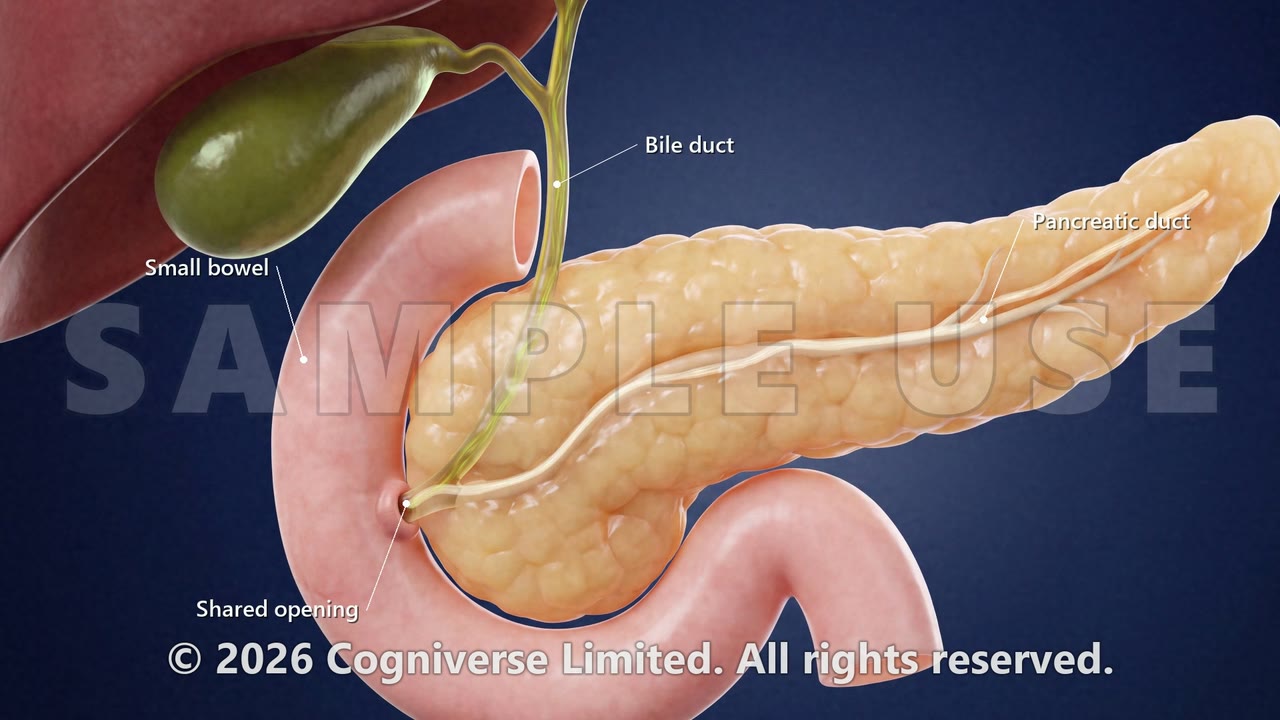
Your gallbladder is a small, pear-shaped bag that sits just under your liver, on the right side of your tummy. Your liver makes bile, which helps you digest fat. Between meals, the gallbladder stores it and makes it more concentrated.
When you eat, the gallbladder squeezes, and bile flows down the bile duct into your bowel. Sometimes, substances in the bile form tiny crystals. Over time, these can clump together and grow into gallstones.
Many people have gallstones without ever knowing. They're often found by chance, on a scan done for something else. Problems start when a stone blocks the way out of the gallbladder.
The main symptom is a sudden, severe pain in the middle of your tummy, or just under your ribs on the right. The pain is constant. It can last from half an hour to several hours, and you may feel sick or be sick.
It often comes on after a meal, and it can spread to your shoulder blade. If the blockage doesn't clear, the gallbladder can become swollen, inflamed and infected. A stone can also move into the main bile duct, blocking the flow from your liver, or inflame the pancreas.
See a doctor urgently, or call one one one, if you have tummy pain that lasts longer than thirty minutes. Call 999 or go to A&E if the pain is sudden and severe, if it spreads to your back and you're being sick, if you have a high temperature and shivering, or if your skin or eyes turn yellow. Gallstones are usually found with an ultrasound scan, along with blood tests.
If gallstones are causing symptoms, the usual treatment is an operation to remove the gallbladder. It's normally keyhole surgery, under general anaesthetic, and it's usually a day case. Some hospitals use a surgical robot.
A few small cuts are made in the tummy, and gas is used to gently lift the tummy wall, so there's room to work. The surgeon sits at a console in the operating theatre and controls the camera and the instruments. The gallbladder is lifted up, and the tube and the artery that run to it are carefully identified.
Both are sealed with small clips and divided, and the gallbladder is freed from the liver. It's placed in a bag and lifted out through one of the small cuts. The clips stay in place, and cause no problems.
Most people go home the same day. Take it gently at first, and build up your activity over the following weeks. Many people are back at work in one to two weeks, and you can drive again once you could do an emergency stop without discomfort.
You can live perfectly well without a gallbladder. Bile simply flows straight from your liver to your bowel. Eat a normal, healthy diet.
You may find smaller meals easier for the first few days. If you have pain in your tummy that keeps coming back, see your GP.
This film is general patient education. It is not medical advice and does not replace a consultation with your own doctor. In an emergency call 999. People shown in the film are AI-generated.