High cholesterol: what it is and how to lower it
What cholesterol does, how it narrows arteries over time, and how diet, activity and medicines lower it.
- Length
- 02:02
- Specialty
- Cardiology
- Style
- People and anatomy
- Includes
- Subtitles and transcript
Transcript · 325 words
What the film says
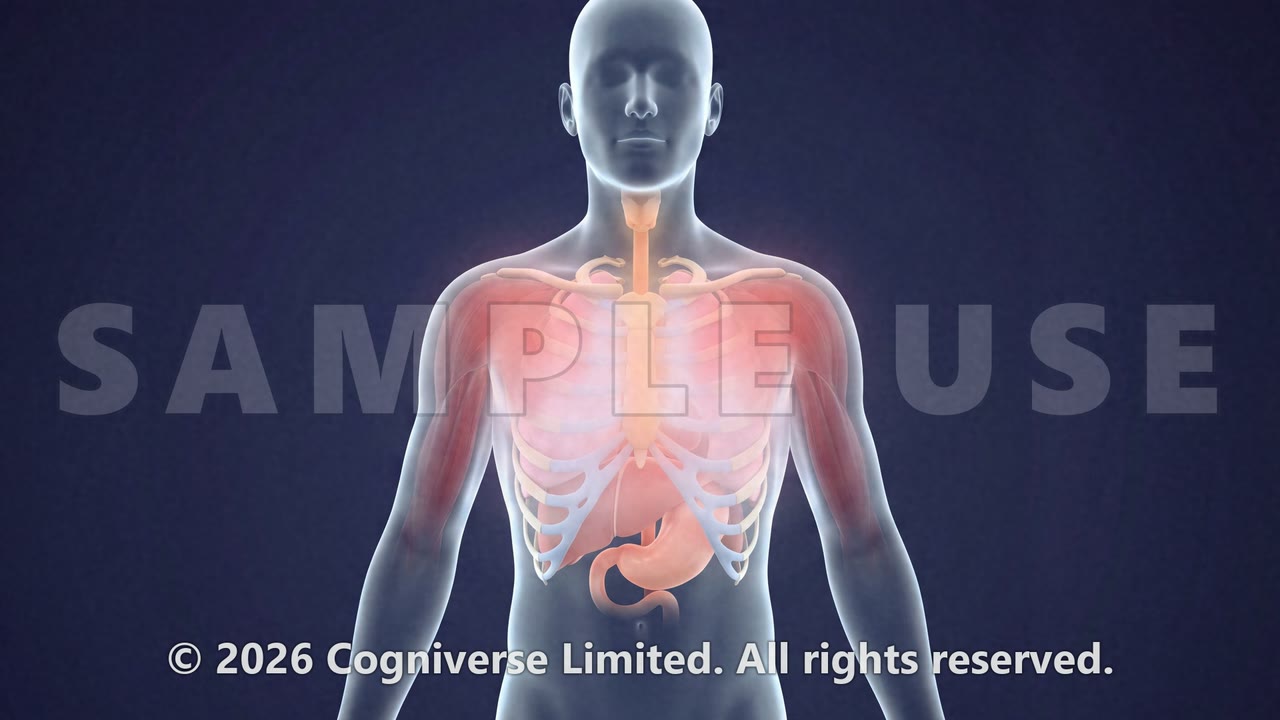
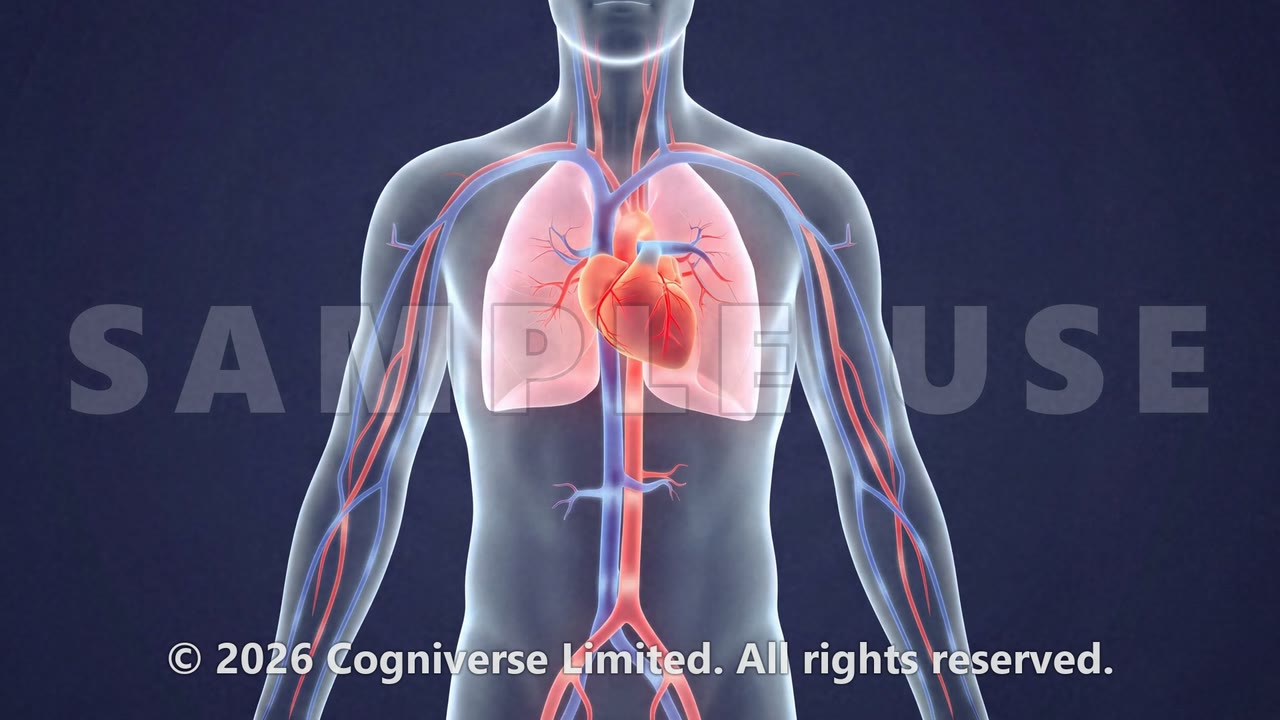
Cholesterol is a fatty substance in your blood. Your body needs some of it, but too much can block your blood vessels. Most cholesterol is made by your liver.
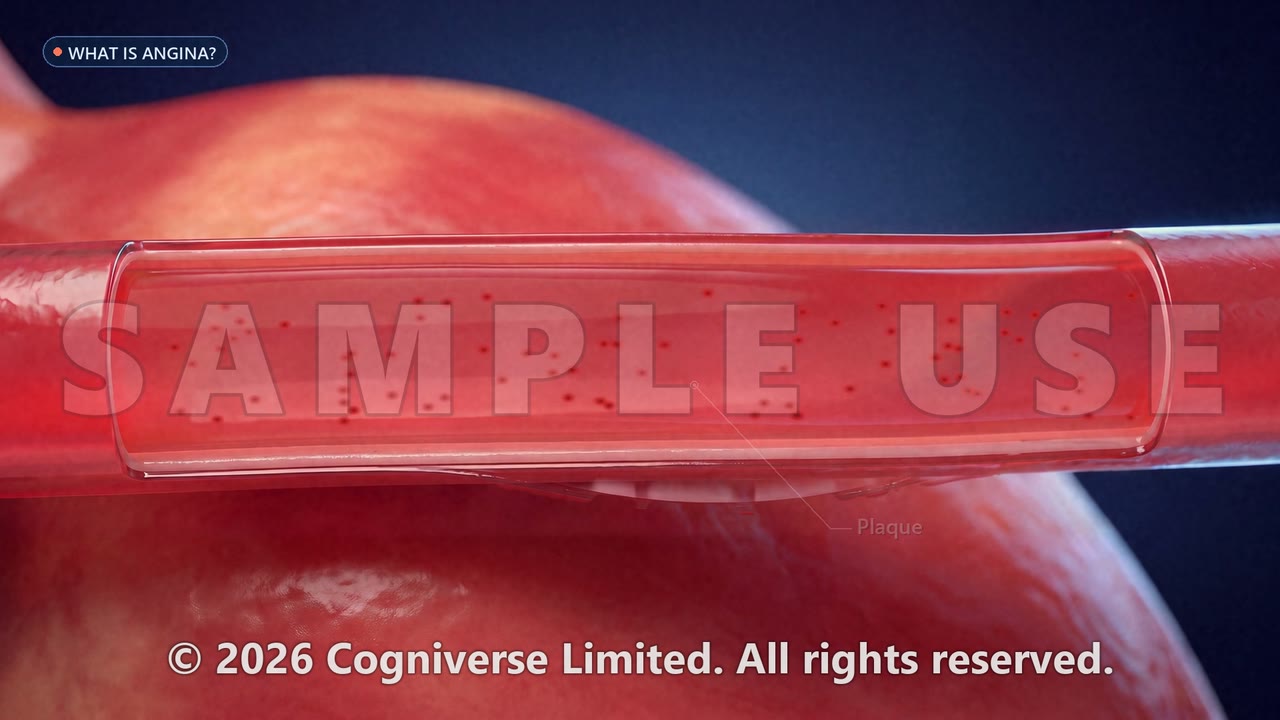
Some also comes from the food you eat. It travels around your body in the blood. When there's too much, it can build up in the walls of your arteries, forming a fatty plaque.
Over time the plaque narrows the artery, so less blood can get through. In the arteries of the heart, that can lead to angina, or a heart attack. In the arteries to the brain, it can cause a stroke.
High cholesterol doesn't usually cause symptoms. A blood test is the only way to find out. You're more likely to have it if you're over fifty, if it runs in your family, or if you smoke, drink a lot of alcohol, or are overweight.
You can lower your cholesterol by eating healthily. Try to eat less fatty meat, butter, cheese, cakes and biscuits. Eat more oily fish, wholegrains, nuts and seeds, and plenty of fruit and vegetables.
Aim for at least 150 minutes of exercise a week, such as brisk walking, swimming or cycling. Stopping smoking and drinking less alcohol help too. Some people also need medicine.
The most common are statins. You may be offered one if you've already had a heart attack or stroke, or if you're at high risk of one. Statins lower the amount of cholesterol your liver makes, which helps prevent it building up in your blood vessels.
A statin is a tablet you take once a day, usually long term. Side effects can include headaches, feeling sick, and muscle pain. Talk to your doctor or pharmacist if you're worried, and before you stop taking them.
Grapefruit juice can increase the side effects of some statins, so check the leaflet that comes with yours. Looking after your cholesterol protects your heart and your brain for years to come.
This film is general patient education. It is not medical advice and does not replace a consultation with your own doctor. In an emergency call 999. People shown in the film are AI-generated.