Heart attack: know the signs and act fast
What a heart attack is, the symptoms, calling 999, and how a stent reopens the artery.
- Length
- 02:06
- Specialty
- Cardiology
- Style
- People and anatomy
- Includes
- Subtitles and transcript
Transcript · 312 words
What the film says
A heart attack is a medical emergency. Knowing the signs, and acting fast, can save a life. Your heart pumps oxygen-rich blood from your lungs out to your body, and sends oxygen-poor blood back to your lungs.
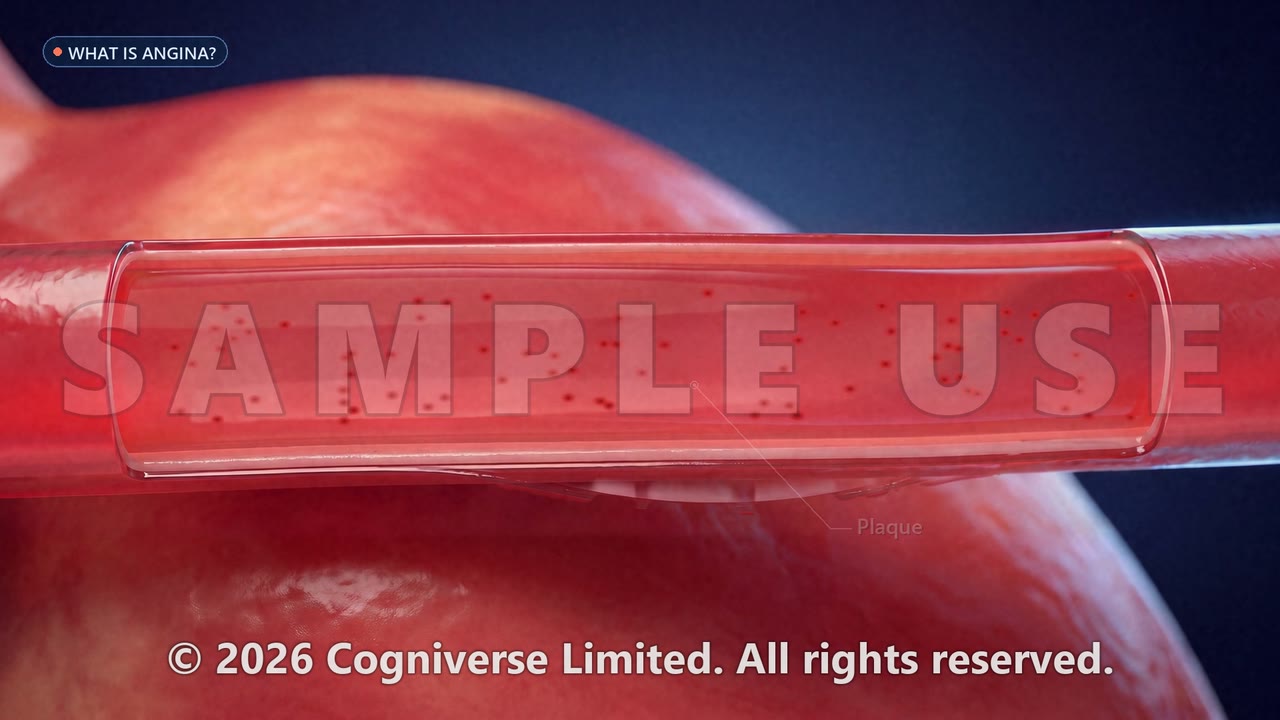
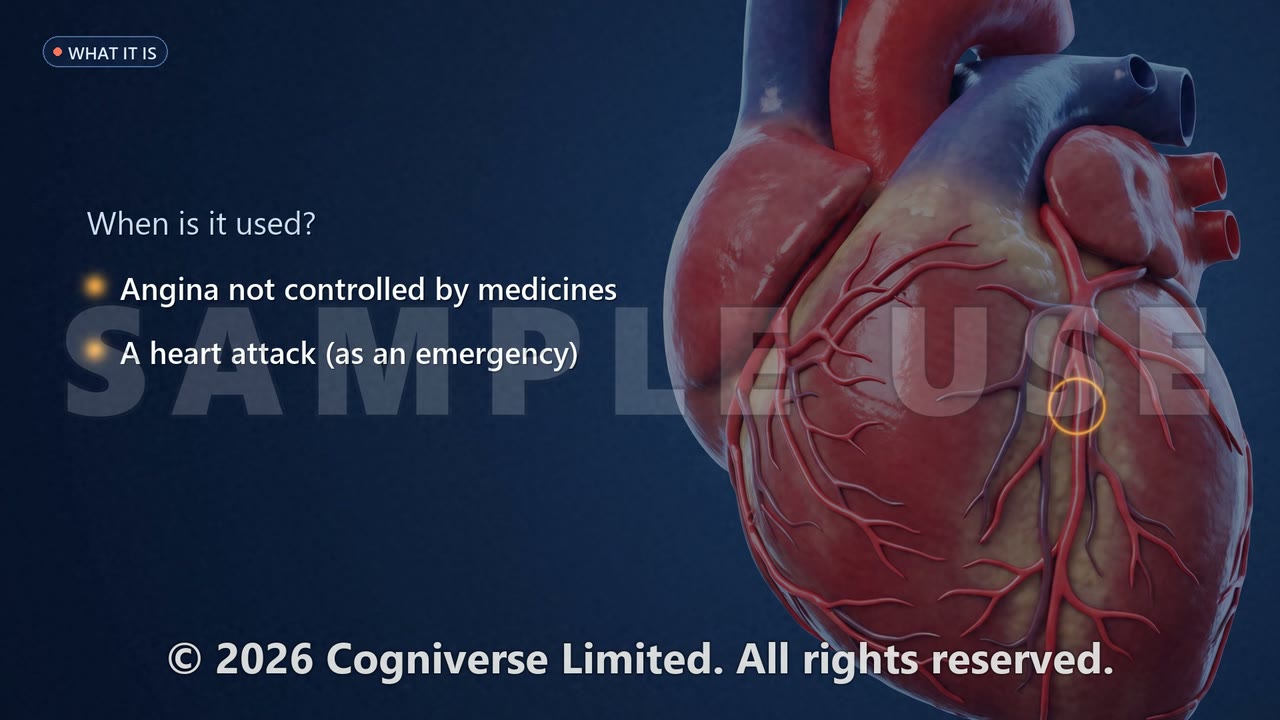
The heart muscle itself also needs oxygen-rich blood, supplied by its own arteries, the coronary arteries. Over many years, a fatty plaque can build up inside the wall of an artery, covered by a thin fibrous cap. If that cap tears, a blood clot forms on the plaque, and can block the artery.
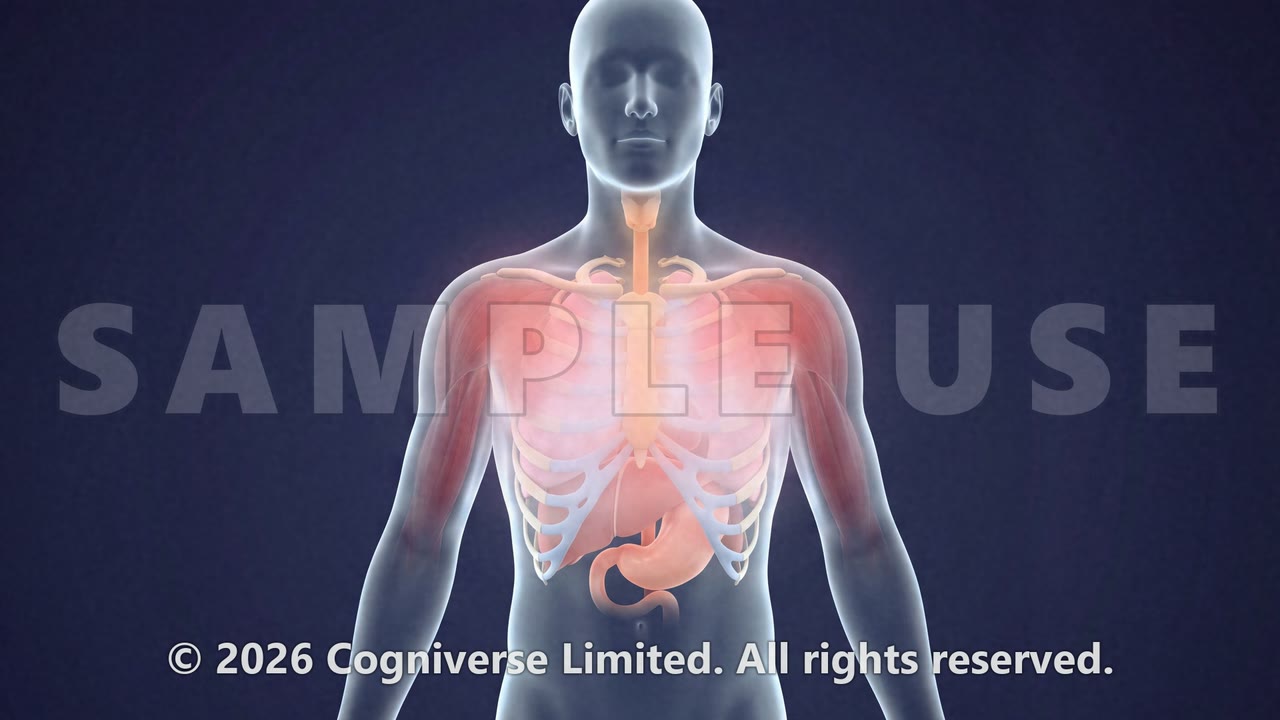
The heart muscle beyond the blockage is starved of oxygen, and begins to be damaged. The most common warning sign is chest pain, or a feeling of pressure or tightness. It can spread to the arms, neck, jaw or back, and you may feel breathless, sweaty or sick.
Symptoms aren't the same for everyone. Some people, particularly women, feel breathless or sick, or have back or jaw pain, without chest pain. If you think someone is having a heart attack, call 999 straight away.
Don't drive them to hospital yourself. Help them sit and rest. If they're not allergic, they can slowly chew one adult aspirin while waiting.
Paramedics can record an ECG, a tracing of the heart's electrical activity, to look for signs of a heart attack. In hospital, the blocked artery is usually reopened in a cardiac catheter laboratory. A fine wire is passed across the blockage.
A balloon carrying a folded metal mesh tube, called a stent, is moved into place. The balloon is inflated, expanding the stent and pressing the plaque and clot against the artery wall. The balloon is then removed.
The stent stays in place, and blood flows to the heart muscle again. Medicines, cardiac rehabilitation and healthier habits all help protect your heart afterwards. If you think you're having a heart attack, call 999 immediately.
This film is general patient education. It is not medical advice and does not replace a consultation with your own doctor. In an emergency call 999. People shown in the film are AI-generated.