Angioplasty and stents: opening a narrowed artery
Why a coronary artery is widened, how a balloon and stent are placed through the wrist or groin, and what recovery involves.
- Length
- 02:40
- Specialty
- Cardiology
- Style
- People and anatomy
- Includes
- Subtitles and transcript
Transcript · 434 words
What the film says
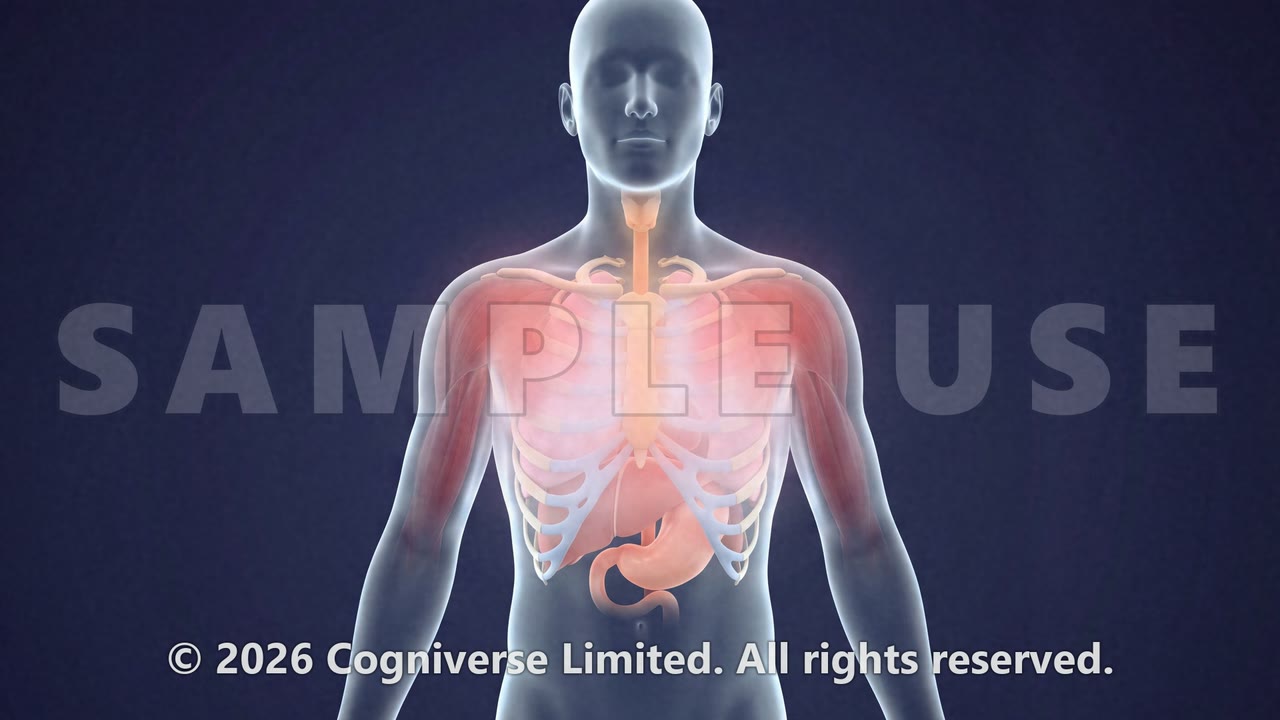
Coronary angioplasty is a procedure to widen a narrowed coronary artery, so more blood can reach your heart muscle. A small mesh tube called a stent is usually left in place to hold the artery open. It's used to treat angina that medicines aren't controlling, and as an emergency treatment for a heart attack.
This film is about a planned angioplasty. Beforehand you'll have blood tests and a health check. You can usually take most of your medicines as normal, but you'll be told if any need to change.
It's done in a catheter lab, and usually takes between thirty minutes and two hours. You're awake, lying on an X-ray table, and a local anaesthetic numbs the skin. A thin, flexible tube called a catheter is passed into an artery in your wrist or groin, and guided to the opening of the coronary artery.
Dye is injected, so the narrowing shows up on the X-ray screen. A fine wire is passed along the artery, and across the narrowing. A small balloon, carrying the stent, is moved over the wire into the narrowed section.
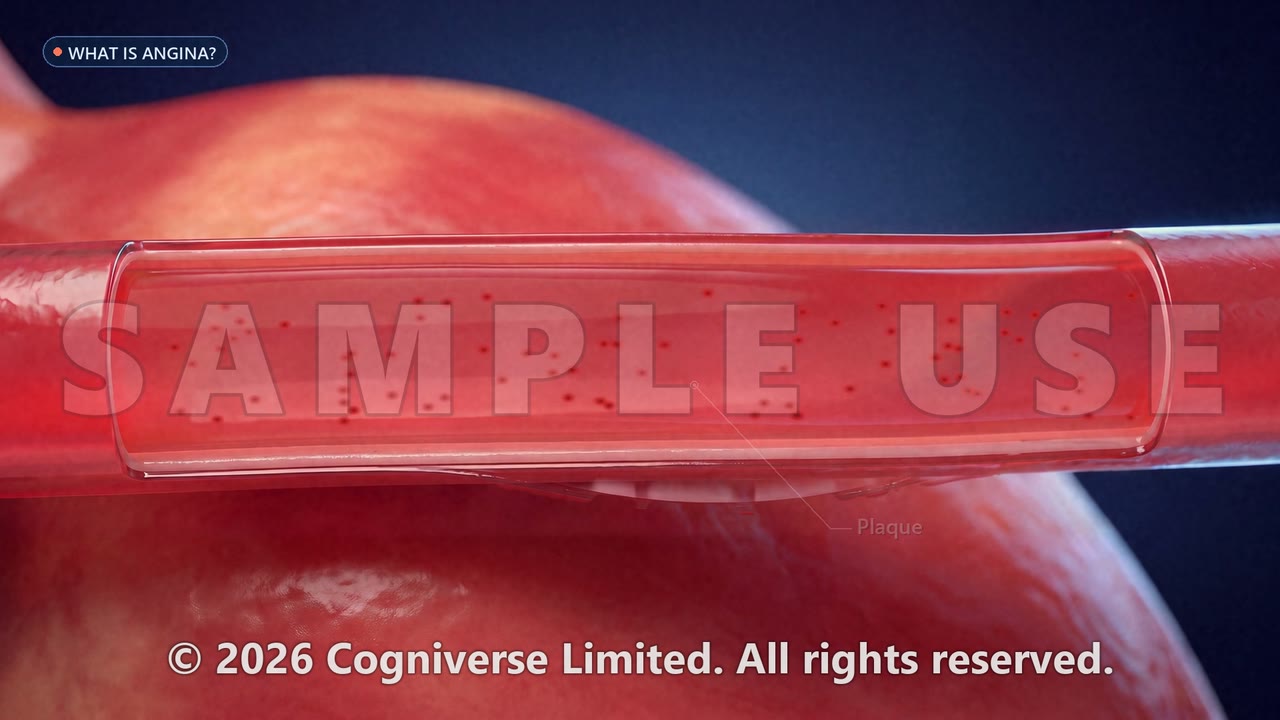
The balloon is inflated for about twenty to thirty seconds. This presses the fatty plaque against the artery wall, and opens up the stent. While the balloon is inflated, you may have some chest pain.
That's normal, but tell the team how you feel. The balloon is then let down and removed. The stent stays in place for good, holding the artery open.
Many stents are coated with a medicine that lowers the chance of the artery narrowing again. Afterwards the catheter is removed, and pressure is applied to stop any bleeding. Many people go home the same day, though some stay overnight.
You'll need someone to take you home. Don't drive for a week, and avoid heavy lifting and strenuous activity for about a week. You'll take low-dose aspirin, and a second anti-clotting medicine for up to a year.
These stop clots forming in the stent. Don't stop taking them without medical advice. Some bruising where the catheter went in is common.
The risk of serious problems is small. They include damage to an artery, heavy bleeding, a heart attack or a stroke. Contact your GP or the hospital if the wound becomes more painful or swollen, or you have a high temperature.
Call 999 if the wound bleeds and doesn't stop after ten minutes of firm pressure. Call too if you have severe chest pain, or a hand or leg that turns cold, pale or numb. Cardiac rehabilitation and healthy habits help you get the most from your treatment.
This film is general patient education. It is not medical advice and does not replace a consultation with your own doctor. In an emergency call 999. People shown in the film are AI-generated.