Angina: chest pain from narrowed arteries
What angina is, how it feels, when chest pain is an emergency, and how it is investigated and treated.
- Length
- 02:50
- Specialty
- Cardiology
- Style
- People and anatomy
- Includes
- Subtitles and transcript
Transcript · 442 words
What the film says
Angina is chest pain or discomfort that happens when your heart muscle isn't getting enough blood. It's a warning sign you shouldn't ignore. Your heart is a muscle that never rests.
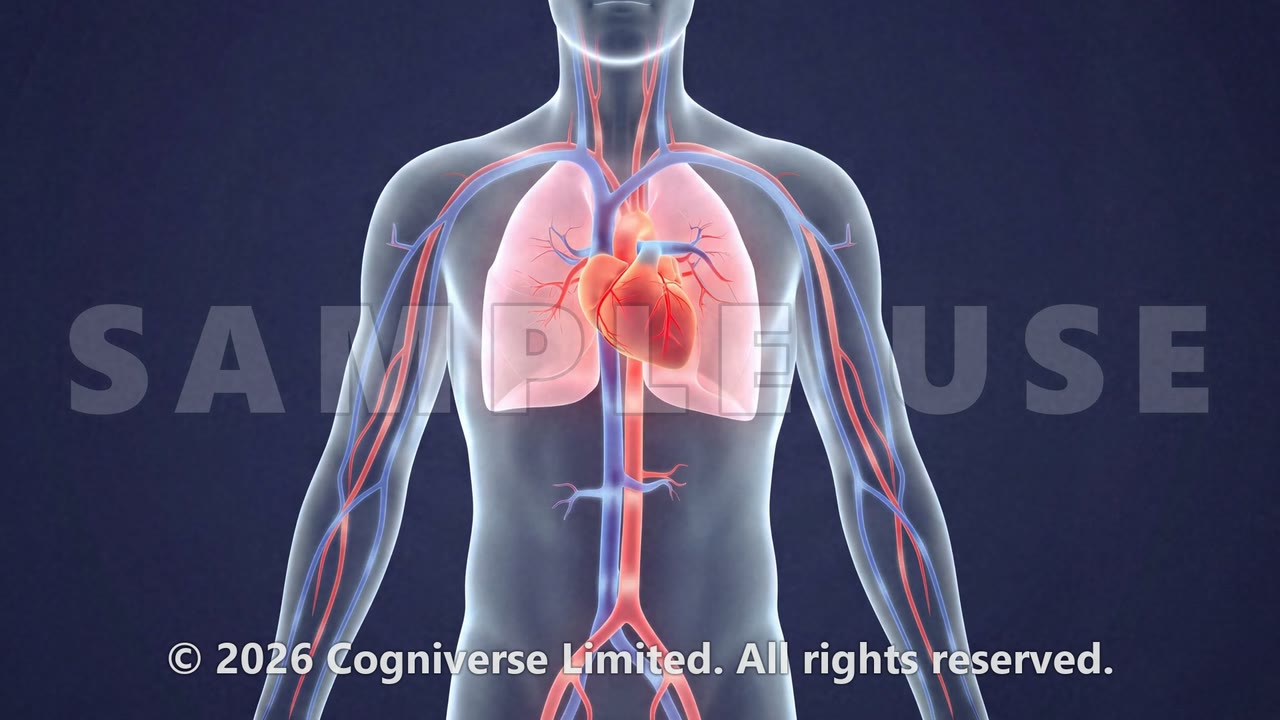
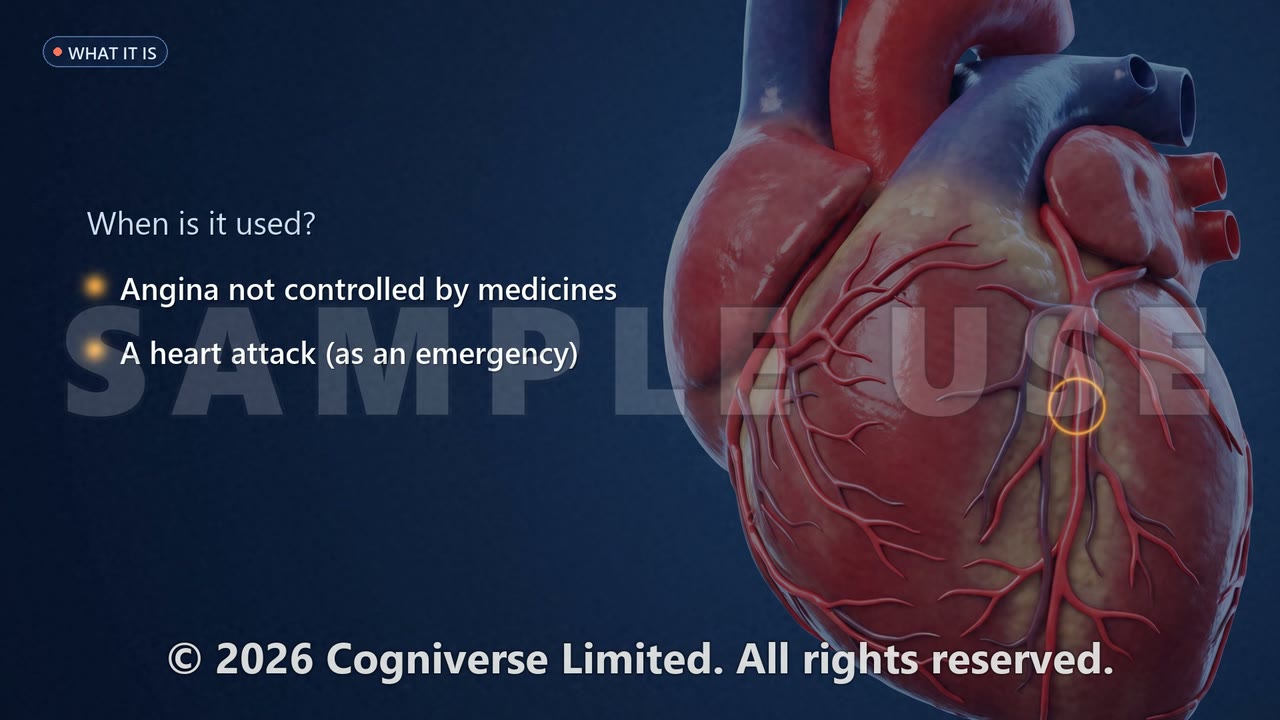
It gets its own supply of oxygen-rich blood through the coronary arteries, which run over its surface. Over many years, a fatty substance called plaque can build up inside the wall of a coronary artery, and the artery becomes narrower. At rest, enough blood still gets through.
But when your heart works harder, it needs more blood than the narrowed artery can deliver. The heart muscle beyond the narrowing runs short of oxygen, and you feel that as angina. It usually feels like tightness, squeezing or pressure in your chest.
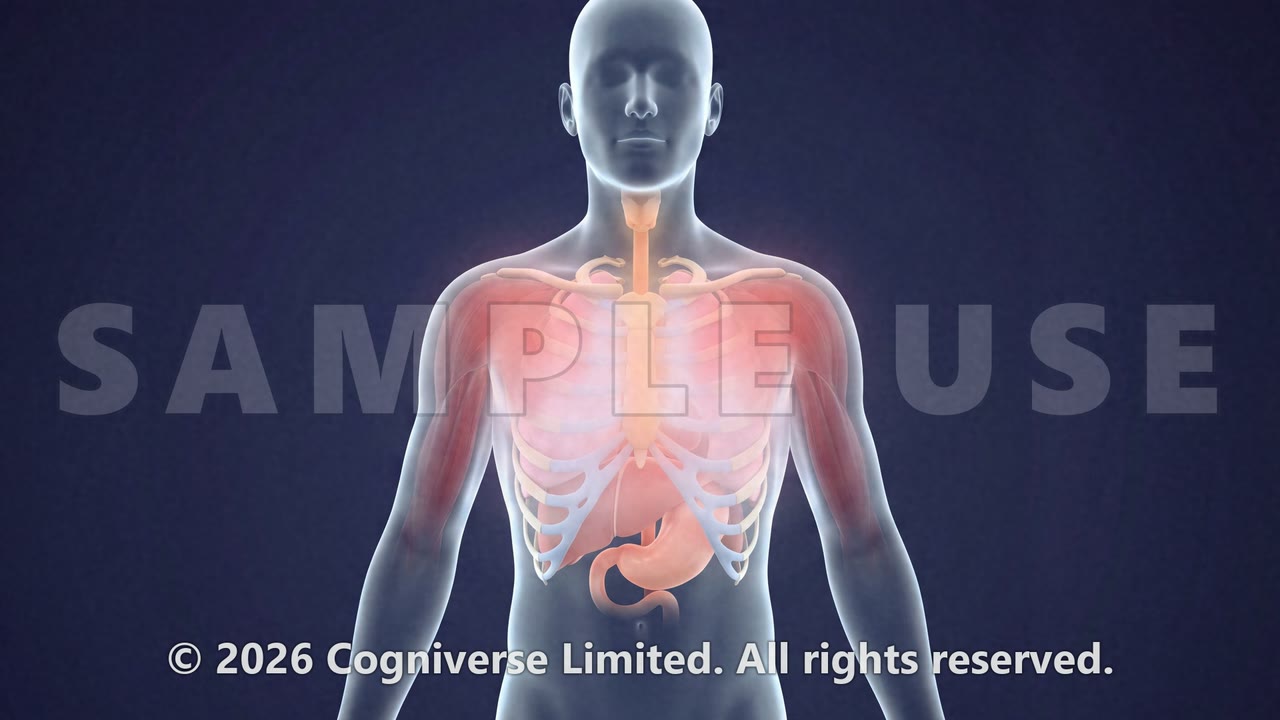
It can spread to your arms, neck, jaw, back or stomach. You may also feel breathless, sick, sweaty or dizzy. Symptoms differ from person to person, and these are more common in women.
Angina is often brought on by physical activity, stress, cold weather or a heavy meal. With stable angina, the most common type, it eases within a few minutes of resting. If you think you might have angina, see a GP as soon as possible.
Once angina is diagnosed, you'll be given a medicine called GTN, as a spray or tablets, to use when an attack starts. Stop what you're doing, sit down and rest. Then spray the GTN under your tongue, or let a tablet dissolve there.
It relaxes and widens your blood vessels, which eases the strain on your heart. It usually works within a few minutes. If the pain hasn't gone after five minutes, take a second dose.
If you're still in pain five minutes after that, call 999. Get urgent advice from your GP or NHS 111 if your angina is getting worse, happening more often, or coming on when you're resting. To confirm angina, you may have blood tests, a heart tracing called an ECG, and a scan or an angiogram to look at your coronary arteries.
Treatment has two aims: to control your symptoms, and to lower your risk of a heart attack or stroke. Daily medicines, such as beta blockers, help to prevent attacks. Low-dose aspirin and a statin help to protect you from a heart attack or stroke.
If medicines aren't enough, a narrowed artery can be opened with a balloon and a small mesh tube called a stent, or bypassed with surgery. Stopping smoking, eating well, staying active and keeping to a healthy weight all help. With the right treatment, you can usually lead a largely normal life.
If chest pain doesn't ease with rest or your medicine, call 999.
This film is general patient education. It is not medical advice and does not replace a consultation with your own doctor. In an emergency call 999. People shown in the film are AI-generated.