High blood pressure: the numbers and what they mean
What blood pressure readings mean, why high pressure matters when it causes no symptoms, and how it is brought down.
- Length
- 02:05
- Specialty
- Cardiology
- Style
- People and anatomy
- Includes
- Subtitles and transcript
Transcript · 313 words
What the film says
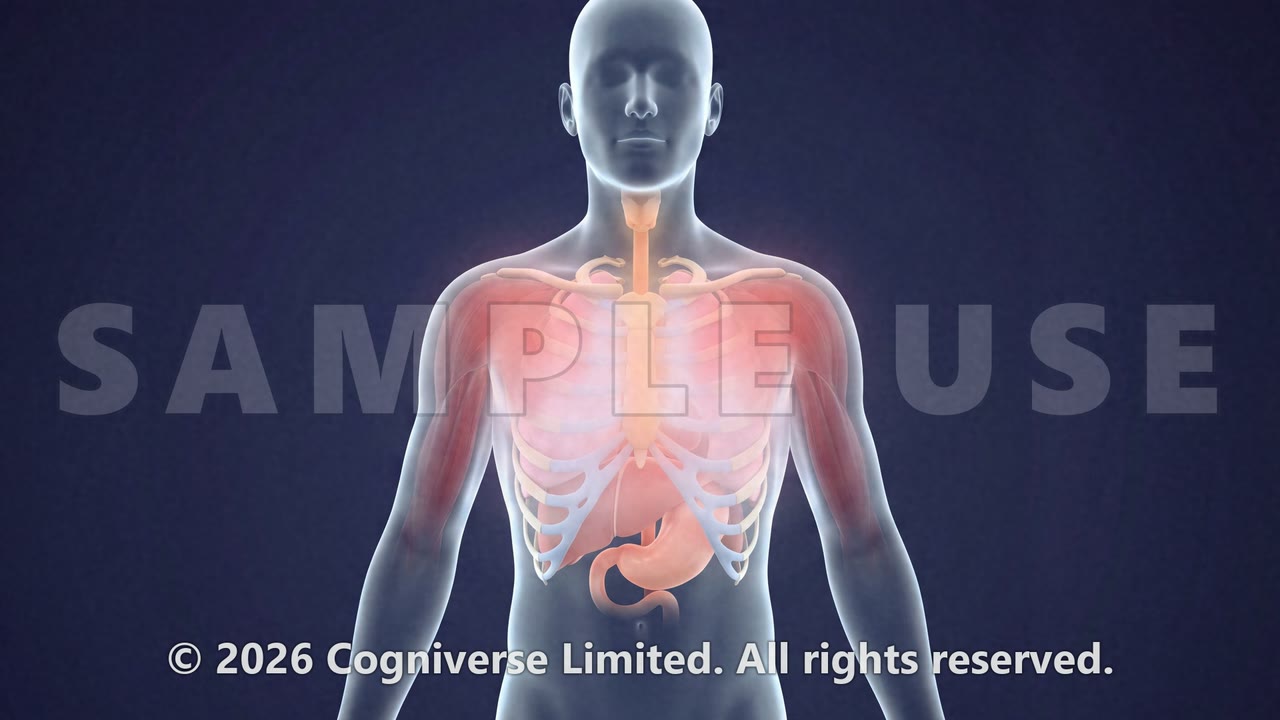
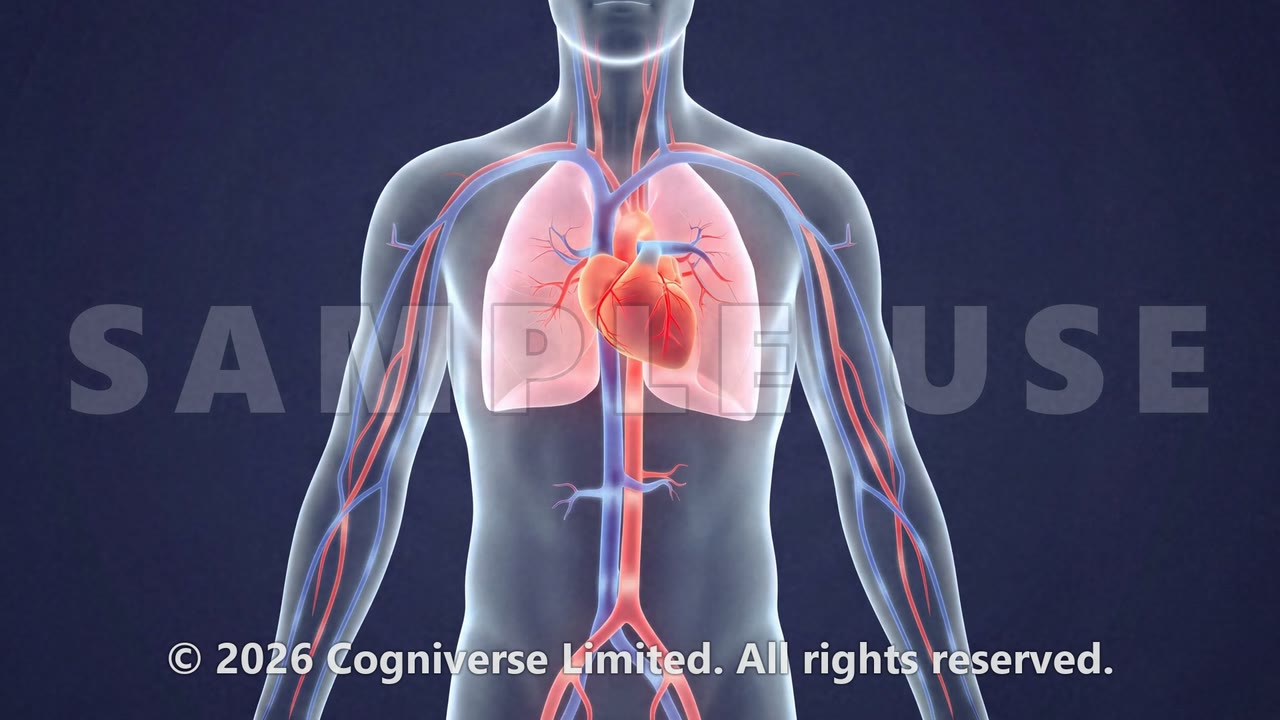
High blood pressure, also called hypertension, is very common. Left untreated, it can lead to serious problems like a heart attack or a stroke. Every time your heart beats, it pushes blood through your arteries.
Blood pressure is the force of that blood against the artery walls. When the pressure stays too high, it puts extra strain on your arteries, and on your heart. High blood pressure doesn't usually cause any symptoms.
The only way to know is to have it measured. A cuff is wrapped around your upper arm and inflated. You can have this done at a pharmacy, at your GP surgery, or with a monitor at home.
The reading has two numbers. The first is the pressure when your heart beats. The second is the pressure when your heart rests between beats.
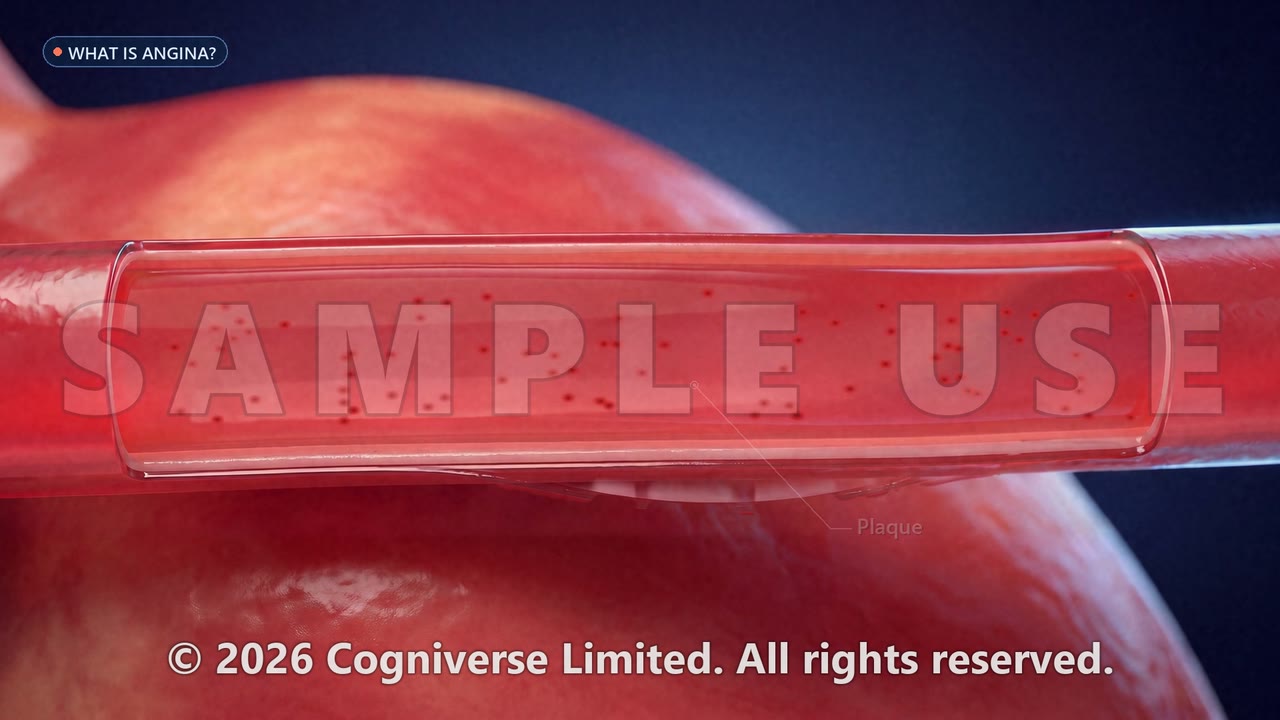
High blood pressure usually means 140 over 90 or higher at a clinic, or 135 over 85 or higher at home. Over the years, untreated high blood pressure damages the arteries. It raises your risk of heart disease, heart attack and heart failure.
It also raises your risk of a stroke, kidney disease and vascular dementia. You're more likely to have it as you get older, if it runs in your family, or if you're from a Black African, Black Caribbean or South Asian background. Too much salt, being overweight, smoking, drinking too much alcohol, and long-term stress all push it up.
The good news is that it can be brought down. Cutting back on salt and alcohol, losing weight, stopping smoking and exercising regularly all help. Many people also need medicine.
It's usually taken every day, and often for life, even though you feel well. Call 999 if you have sudden chest pain, with sweating, feeling sick, light-headedness or shortness of breath. High blood pressure is easy to find, and it can be treated.
Get yours checked.
This film is general patient education. It is not medical advice and does not replace a consultation with your own doctor. In an emergency call 999. People shown in the film are AI-generated.