Heart failure: when the heart pumps less well
What heart failure means, the symptoms to watch for, and how medicines, devices and daily habits help.
- Length
- 02:11
- Specialty
- Cardiology
- Style
- People and anatomy
- Includes
- Subtitles and transcript
Transcript · 329 words
What the film says
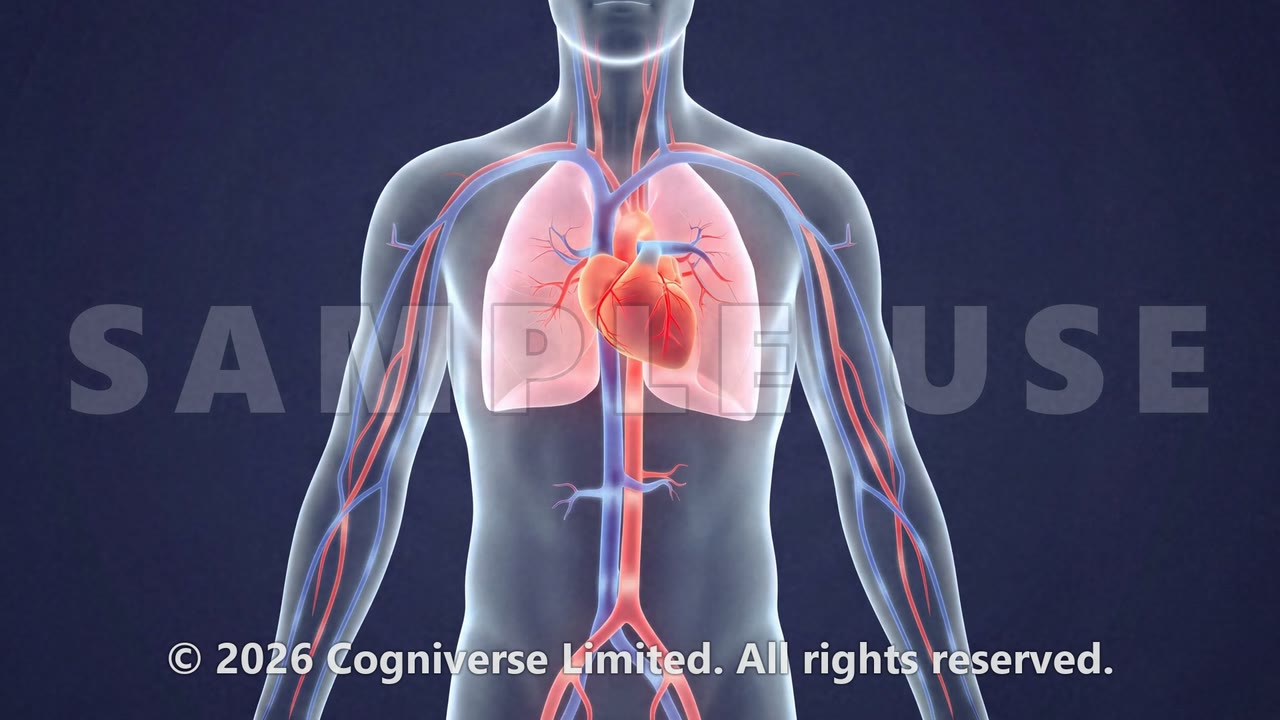
Heart failure means your heart isn't pumping blood around your body as well as it should. It doesn't mean your heart has stopped, or is about to stop. It usually develops because the heart muscle has become too weak, or too stiff, to work properly.
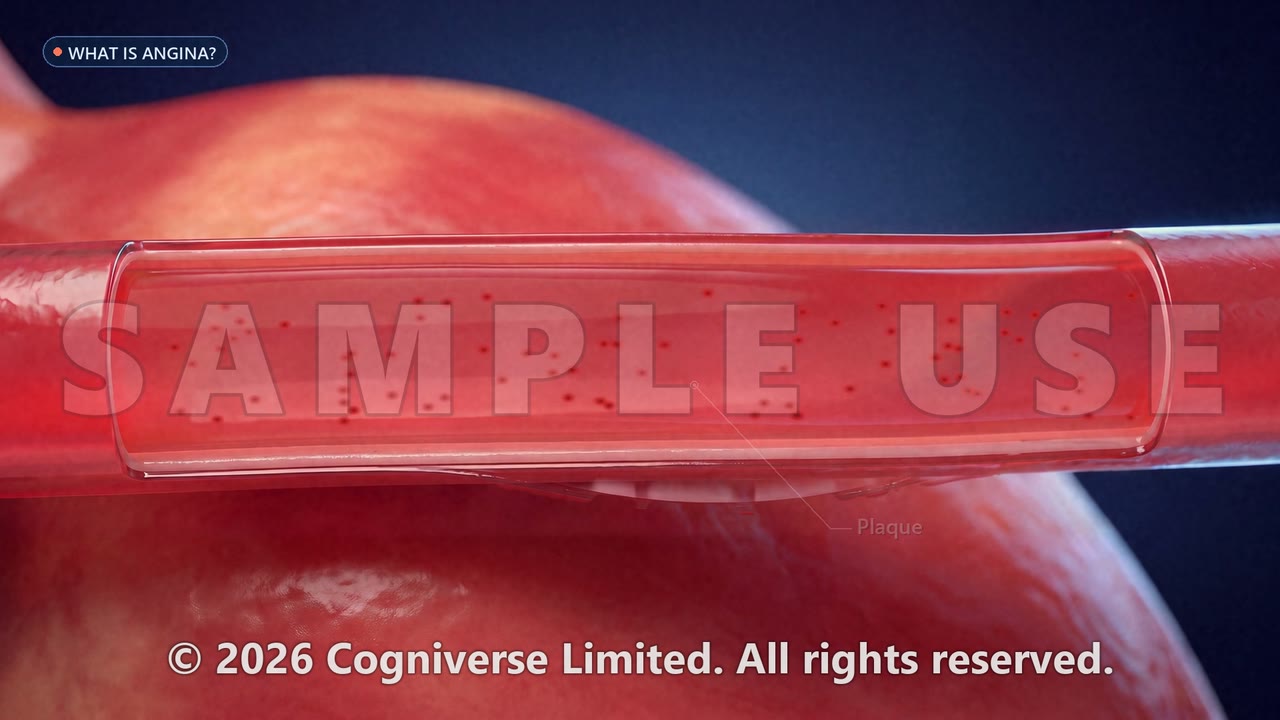
Common causes include coronary heart disease, a previous heart attack, and high blood pressure. Problems with the heart valves, the heart muscle or the heart rhythm can cause it too. When the heart pumps less well, fluid can build up in the body.
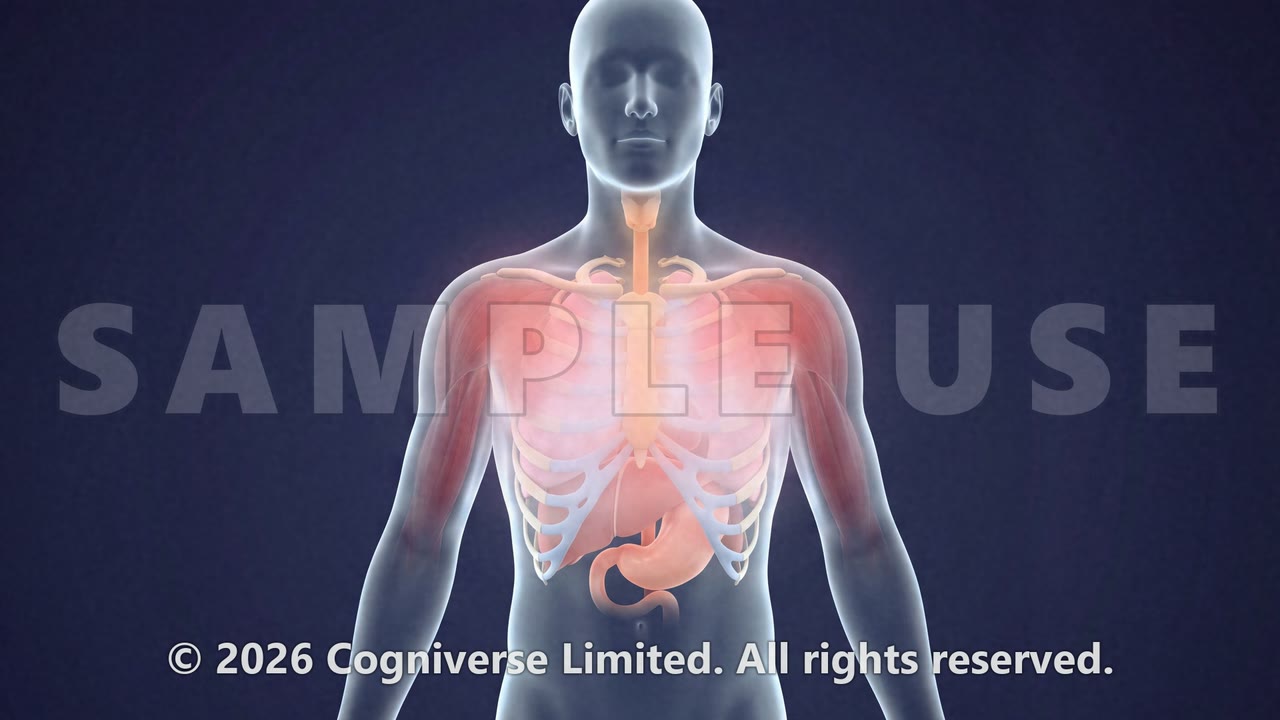
Fluid in the lungs makes you breathless, when you're active or when you lie down. Fluid can also collect in your feet, ankles, legs or tummy, making them swell. A sudden gain in weight can be a sign of this.
You may also feel unusually tired, or light-headed after activity. See a GP if you have symptoms like these. Ask for an urgent appointment, or call NHS 111, if you're breathless lying down, or you cough up pink, frothy phlegm.
Call 999 if you have severe difficulty breathing, and you're gasping, choking or can't get your words out. Call too if your lips or skin turn pale, blue or grey. Tests include blood tests, an ECG, and an echocardiogram.
That's an ultrasound scan that shows how well your heart is pumping. Heart failure can't usually be cured, but treatment can keep it stable for many years. Diuretics, or water tablets, help your body get rid of extra fluid.
Other medicines widen your blood vessels, so your heart doesn't have to work as hard. Beta blockers slow your heart down. Some people are helped by a pacemaker, or a similar device, which controls the heart's rate or rhythm.
Take your medicines as prescribed, and weigh yourself regularly. A sudden gain in weight can mean fluid is building up. Staying active, eating well, stopping smoking, cutting down on alcohol, and having your vaccinations all help.
If you have severe difficulty breathing, call 999.
This film is general patient education. It is not medical advice and does not replace a consultation with your own doctor. In an emergency call 999. People shown in the film are AI-generated.