Heart bypass surgery: a new route for blood
Why bypass surgery is offered, how a graft carries blood around a blockage, and the stages of recovery.
- Length
- 02:37
- Specialty
- Cardiology
- Style
- People and anatomy
- Includes
- Subtitles and transcript
Transcript · 417 words
What the film says
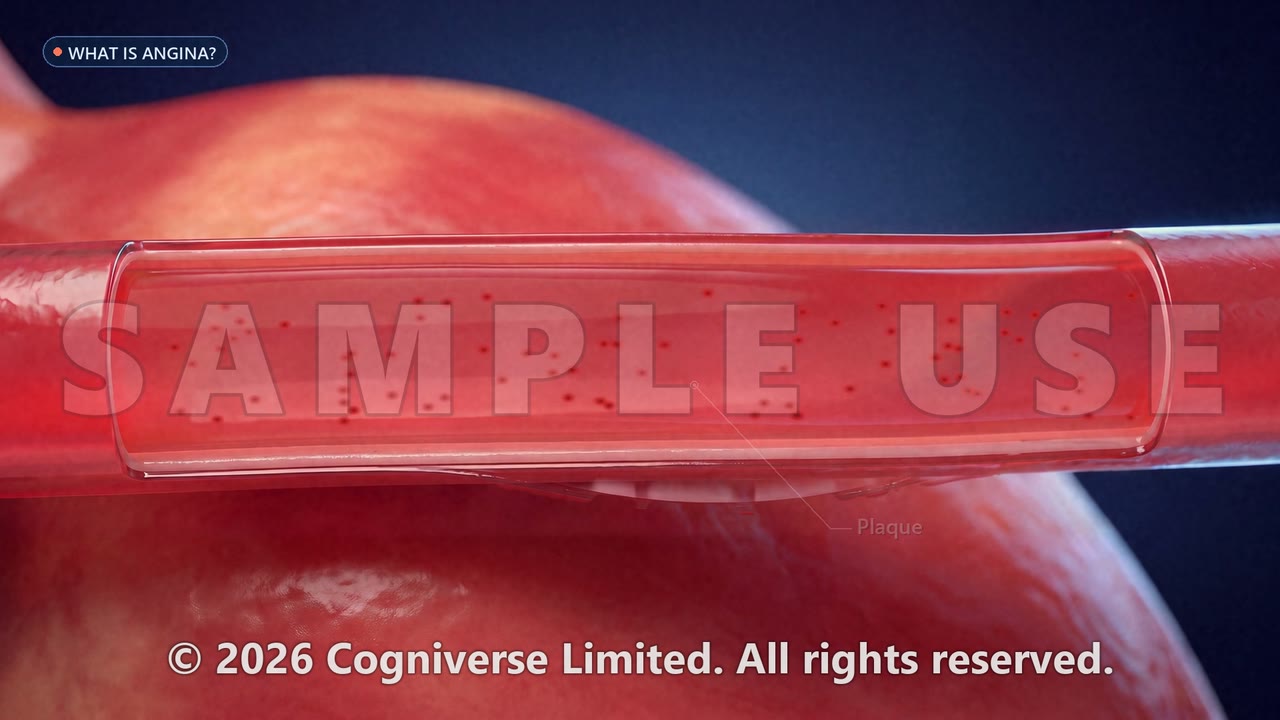
A coronary artery bypass graft, often called a heart bypass, is an operation to improve the blood supply to your heart muscle. It's used when the coronary arteries are narrowed or blocked by fatty plaque. It can relieve angina, and lower the risk of a heart attack.
The surgeon takes a healthy blood vessel from another part of your body, usually your chest, leg or arm, and uses it to carry blood around the narrowed section. You may need more than one graft. A double, triple or quadruple bypass means two, three or four grafts.
The operation is done under a general anaesthetic, so you're asleep throughout. It usually takes three to six hours. The surgeon makes a cut down the centre of your chest, and through the breastbone, to reach the heart.
Your heart is usually connected to a heart-lung bypass machine, which keeps blood and oxygen flowing around your body during the operation. One graft is often made from an artery inside the chest wall. Its lower end is joined to the coronary artery, beyond the narrowing.
Another can be made from a length of vein from the leg. One end is joined to the aorta, and the other to the coronary artery, beyond the narrowing. Blood now flows through the grafts, past the narrowed sections, to the heart muscle.
The breastbone is closed with metal wires, which usually stay in for good, and the skin is stitched. You'll wake up in intensive care, where you're watched closely for a day or two, before moving to a ward. Most people spend about a week in hospital.
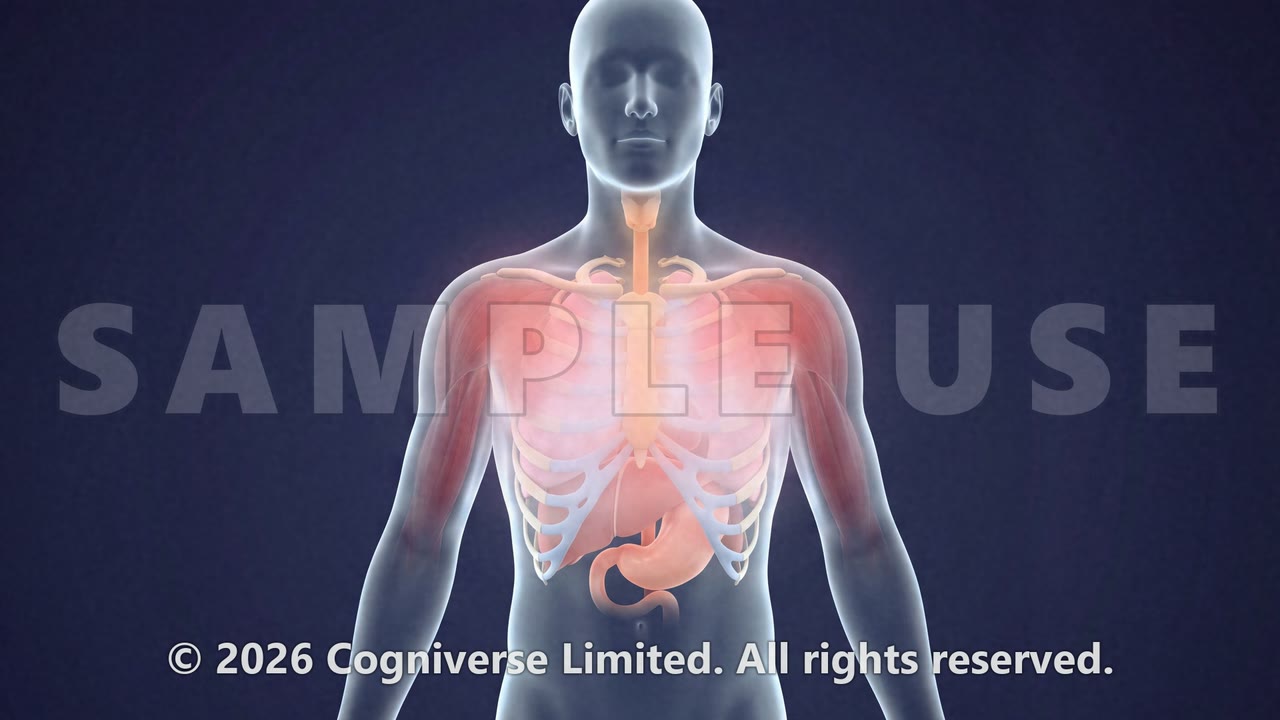
At first you may have some pain in your chest, back or shoulders, and feel tired for a few weeks. Arrange for someone to help you for the first few days at home. You should be back to most normal activities after about six weeks.
A full recovery usually takes two to three months. Don't drive for at least four weeks, and don't do any heavy lifting for three months. Possible complications include wound infection, bleeding, an irregular heartbeat, kidney or memory problems, and a heart attack or stroke.
Your surgeon will only recommend the operation if its risks are lower than the risks of not treating your heart. Cardiac rehabilitation, your medicines and healthy habits all help to protect your new grafts. Your hospital team will tell you who to contact if you're worried once you're home.
If you have chest pain that doesn't go away, call 999.
This film is general patient education. It is not medical advice and does not replace a consultation with your own doctor. In an emergency call 999. People shown in the film are AI-generated.