Diagnostic laparoscopy: a keyhole look inside the tummy
Why a surgeon may need to look inside the tummy with a camera, what happens on the day, and what recovery is like.
- Length
- 03:01
- Specialty
- General surgery
- Style
- Anatomy only
- Includes
- Subtitles and transcript
Transcript · 477 words
What the film says
Sometimes, scans and blood tests can't fully explain what's causing pain in your tummy or pelvis. A diagnostic laparoscopy lets a surgeon look directly inside, through a few tiny cuts. This film explains what happens.
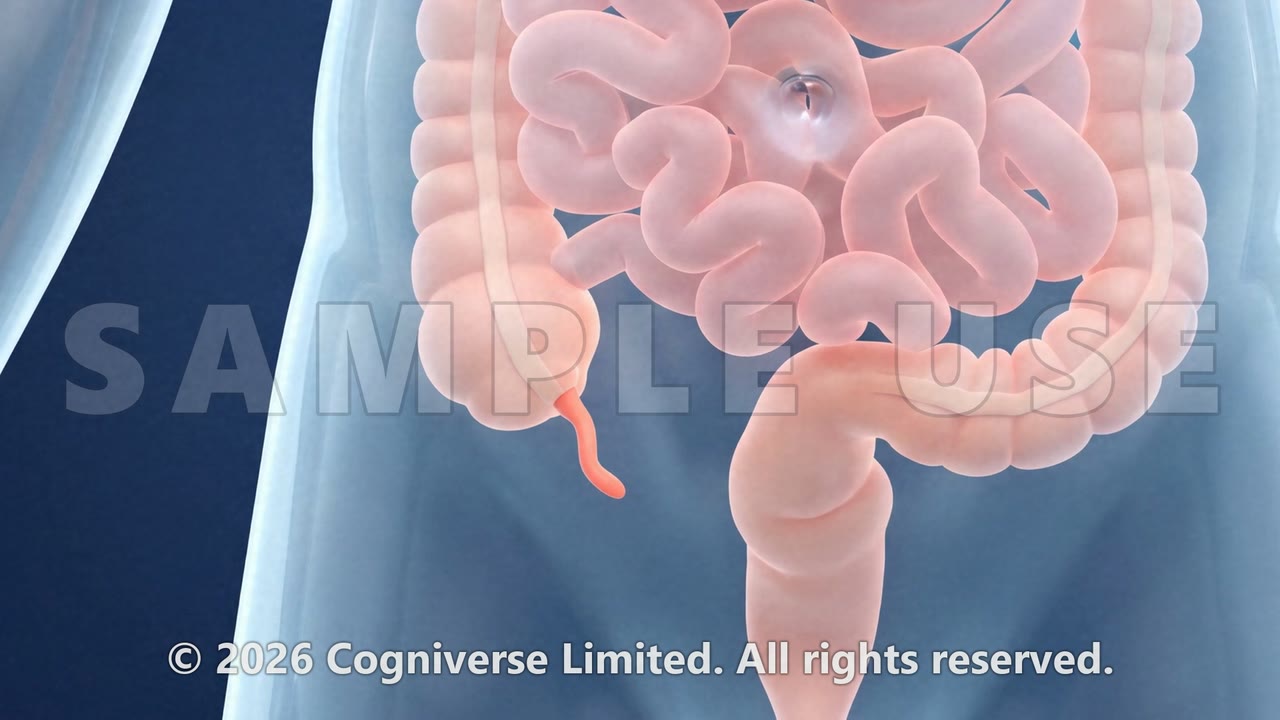
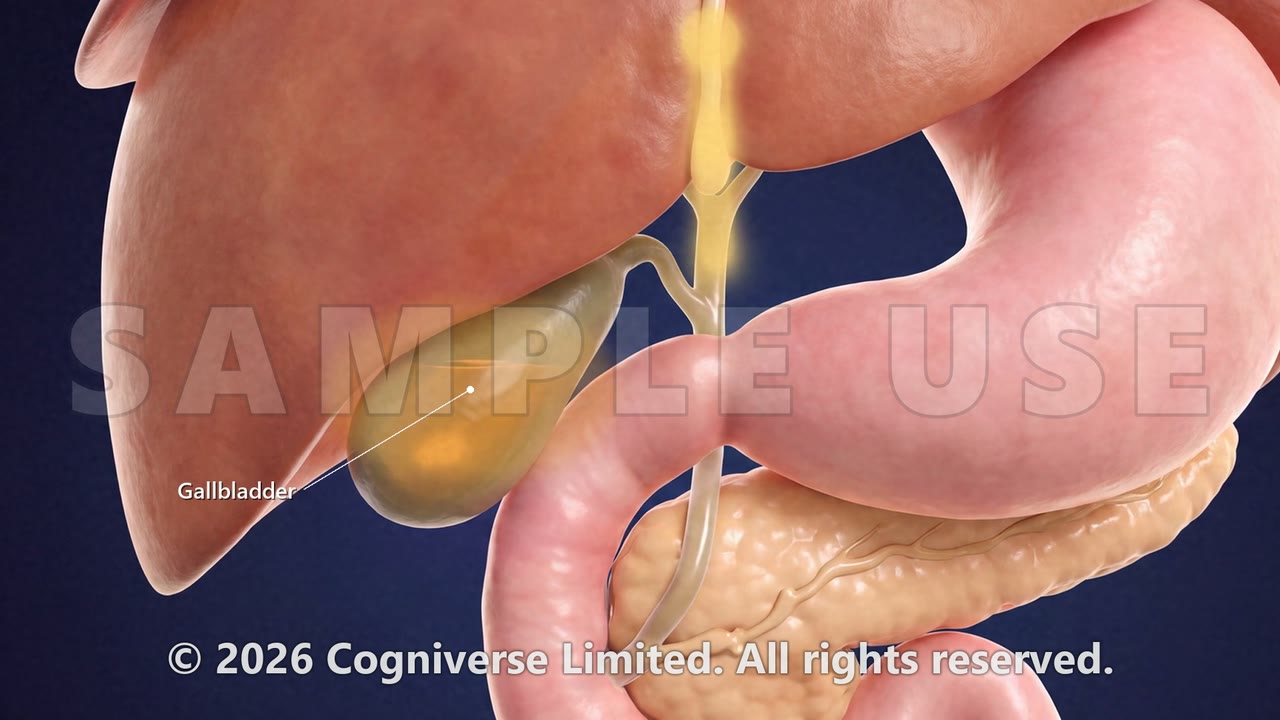
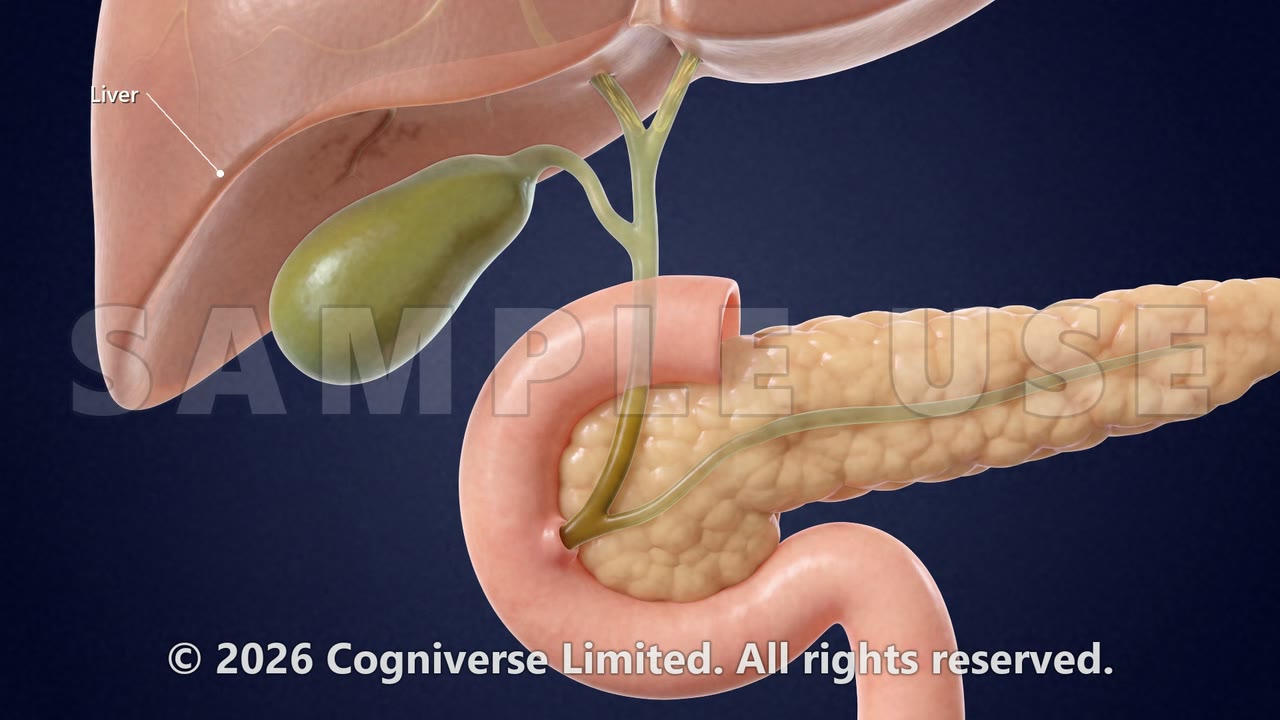
Your tummy holds the liver, stomach and bowel. Lower down, in the pelvis, are the bladder, and in women, the womb, ovaries and tubes. They all sit inside a smooth, thin lining called the peritoneum.
It can find problems that scans can miss, such as endometriosis, bands of scar tissue called adhesions, or infection in the pelvis. It can also help explain long-lasting pelvic pain, check the fallopian tubes during fertility tests, or look closer at something seen on a scan. Before the operation, you'll be told when to stop eating and drinking, and whether to pause any medicines, such as blood thinners.
Arrange for someone to take you home, as you can't drive after a general anaesthetic. You'll have a general anaesthetic, so you're asleep throughout. It usually takes thirty minutes to an hour.
The surgeon makes a small cut, about a centimetre long, in or just below your belly button. Your tummy is gently filled with carbon dioxide gas. This lifts the tummy wall away from the organs, making space to see.
A thin camera, called a laparoscope, goes in through the cut. It shows the inside of your tummy on a screen. Two more small cuts, lower down, let fine instruments gently move organs aside to see every surface.
The surgeon checks each area in turn: the womb, ovaries and tubes, the pelvic lining, the bowel and the liver. If something needs a closer look, a small sample of tissue, called a biopsy, can be taken and sent to the laboratory. During fertility tests, a coloured dye may be passed through the womb, to check whether the fallopian tubes are open.
Some problems, such as small patches of endometriosis or adhesions, can be treated in the same operation, if you've agreed to this beforehand. And sometimes no cause is found, which is useful information too. It helps your doctors plan the next step.
At the end, the gas is let out, and the small cuts are closed with stitches or glue, and covered with dressings. Most people go home the same day. Bloating, soreness, and pain at the tip of the shoulder from leftover gas are common, and settle within a few days.
Most people are back to normal activities within one to two weeks. Your surgeon will explain what was found, and any results to come. Serious problems are uncommon.
But contact your hospital or NHS 111 if you have a fever, worsening pain, repeated vomiting, or a wound that's red or leaking. If you have chest pain or trouble breathing, call 999 straight away. If you've been offered a laparoscopy, ask your team any questions you have.
This film is general patient education. It is not medical advice and does not replace a consultation with your own doctor. In an emergency call 999. People shown in the film are AI-generated.