Appendicitis and appendicectomy: what to expect
The signs of appendicitis, when to call 111 or 999, and how the appendix is removed through keyhole surgery.
- Length
- 03:00
- Specialty
- General surgery
- Style
- Anatomy only
- Includes
- Subtitles and transcript
Transcript · 478 words
What the film says
Tummy pain that starts around your belly button, then moves to the lower right and gets worse, can be appendicitis. This film explains the operation to treat it: an appendicectomy. Your appendix is a small, finger-shaped pouch joined to your large bowel, in the lower right side of your tummy.
You don't need it, so it's safe to remove. In appendicitis, the appendix becomes inflamed and swollen. Sometimes its opening into the bowel is blocked, and infection builds up inside.
Untreated, it can burst and spread infection through your tummy. This is called peritonitis, and it can be life-threatening. The pain usually starts in the middle of your tummy, then moves to the lower right side over a few hours.
It may hurt more when you move, cough, or press on it. You may also feel sick, lose your appetite, or have a high temperature. But symptoms differ: young children, older people and pregnant women may not have the usual pain.
If tummy pain is getting worse, or has moved to the lower right, get an urgent GP appointment, or call NHS 111. If the pain is severe, or you become confused, have blotchy or pale skin, or find it hard to breathe, call 999 or go to A&E. A doctor will examine your tummy.
You may have blood tests, a pregnancy test, and sometimes an ultrasound or CT scan. Appendicitis is usually treated by removing the appendix. Antibiotics alone are sometimes an option, but it can come back.
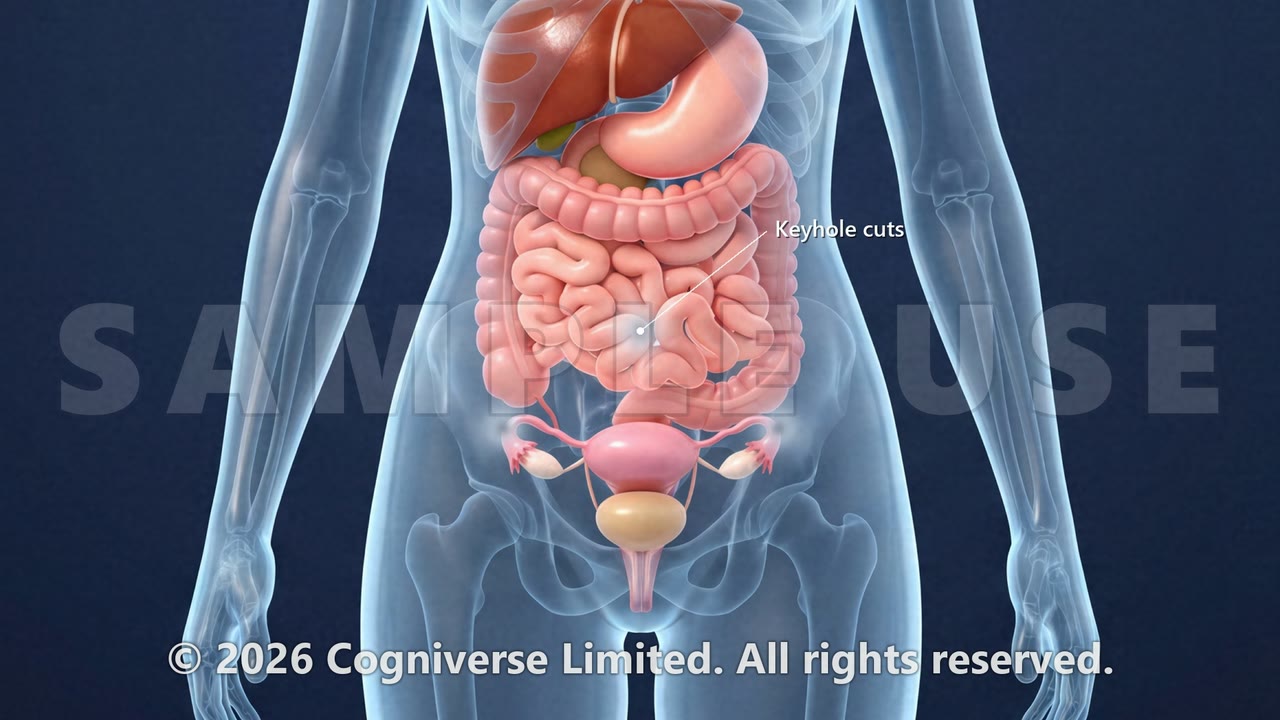
The operation is usually done by keyhole surgery, under general anaesthetic, so you'll be asleep. A small cut near your belly button lets in a thin camera, and gas gently fills your tummy to make room. A few smaller cuts are for fine instruments.
The appendix is lifted and freed, and the small blood vessels that supply it are sealed. Its base is closed securely where it joins the bowel. Then it's cut free, placed in a small bag, and removed through one of the cuts.
Any infected fluid is washed out. Sometimes open surgery, through a larger cut on the lower right, is needed instead. After keyhole surgery, you may go home the same day or the next.
After open surgery, or if there are complications, you may stay a few days. Get up and walk as soon as you can. Bloating, and shoulder-tip aching from the gas, are common and settle in a few days.
Expect one to two weeks off work or school, sometimes longer. Avoid sport and heavy lifting until you've recovered. Only drive once you can do an emergency stop without pain.
Once home, get medical help if pain gets worse, you have a high temperature, keep being sick, or a wound becomes red, swollen, or leaks pus. Tummy pain that moves to the lower right side and gets worse? Get urgent medical advice.
This film is general patient education. It is not medical advice and does not replace a consultation with your own doctor. In an emergency call 999. People shown in the film are AI-generated.