Atrial fibrillation: an irregular heartbeat
What atrial fibrillation is, the symptoms, why it raises the risk of stroke, and how it is managed.
- Length
- 02:16
- Specialty
- Cardiology
- Style
- People and anatomy
- Includes
- Subtitles and transcript
Transcript · 325 words
What the film says
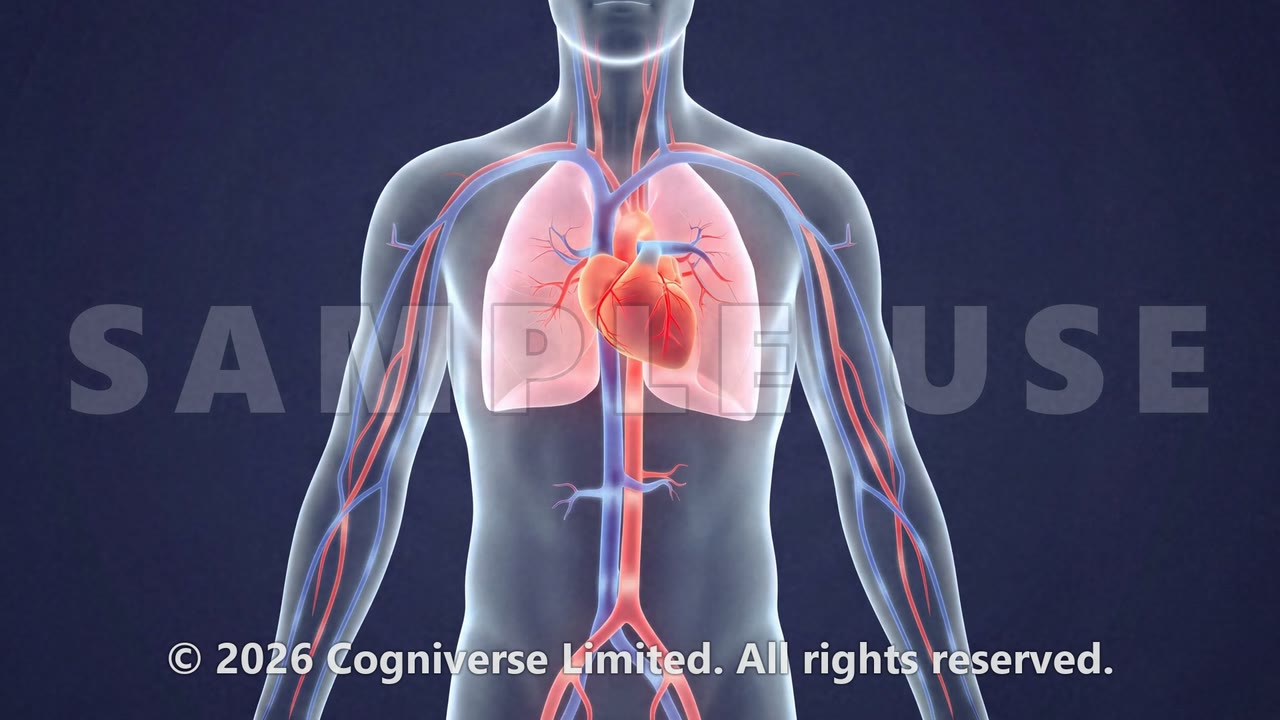
Atrial fibrillation is a common heart rhythm problem. It makes your heartbeat irregular, and often very fast. Normally, each heartbeat starts with an electrical signal in the upper chambers of the heart, called the atria.
The signal spreads in an orderly way. The atria squeeze first, and then the lower chambers, the ventricles. In atrial fibrillation, chaotic signals fire across the atria.
They quiver instead of squeezing properly, and the heartbeat becomes irregular. You may notice palpitations: a pounding, racing or fluttering heartbeat. Your heart rate may be over a hundred beats a minute.
You may also feel tired, breathless or dizzy, or have chest pain. Some people have no symptoms at all. You can check your pulse at your wrist.
A normal pulse is steady. In atrial fibrillation, it's irregular. See a GP if you think you have atrial fibrillation, or you keep getting palpitations.
It matters because blood can pool in the atria and form a clot. If a clot travels to the brain, it can cause a stroke. Call 999 if you have a fast or irregular heartbeat with chest pain, breathlessness or fainting.
Call too for signs of a stroke, such as weakness in your face, or problems with your speech or sight. An ECG, a tracing of your heart's electrical activity, confirms the diagnosis. You may also have blood tests and a heart scan.
Treatment has two aims. The first is to lower your risk of a stroke, with medicines called anticoagulants, which make clots less likely. The second is to control your heartbeat, with medicines such as beta blockers.
Some people have cardioversion, where a controlled electric shock resets the heart's rhythm. Others have catheter ablation, which destroys the small area of heart tissue that is causing the faulty signals. Cutting down on alcohol, stopping smoking and keeping to a healthy weight can help too.
With the right treatment, many people with atrial fibrillation lead a full, active life.
This film is general patient education. It is not medical advice and does not replace a consultation with your own doctor. In an emergency call 999. People shown in the film are AI-generated.